
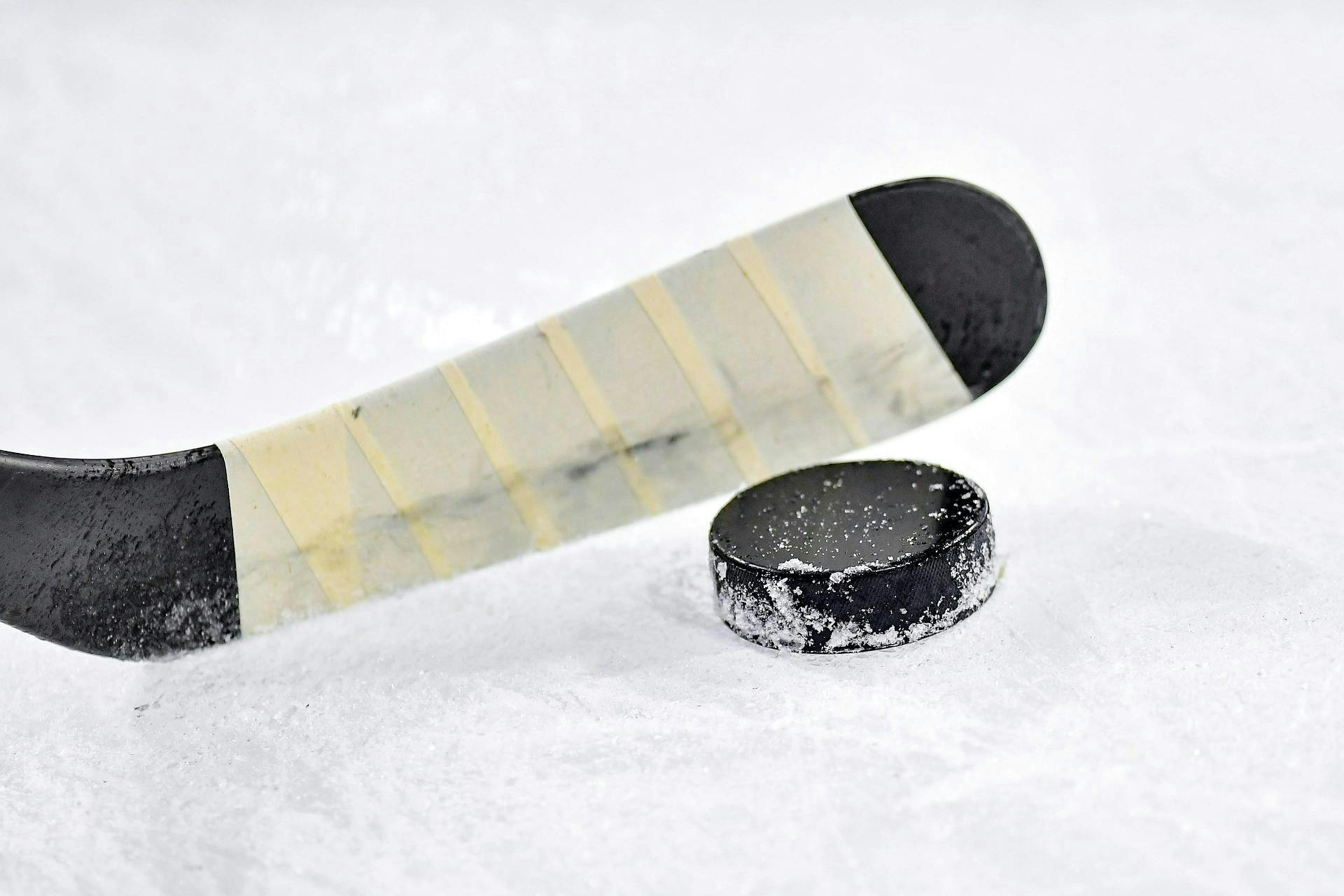
Is it time to replace your hockey stick? The answer to that question is more nuanced than you might think, as there are many potential reasons why you might need to buy a replacement.
Even if you don’t think you need a new stick, learning more about when to ditch your old stick could change your mind.
When Should You Replace Your Hockey Stick?
Here are a few situations where you might need to replace your current hockey stick. Learning what circumstances might call for a new stick can prepare you to make a confident purchase.
Your Hockey Stick Gets Damaged or Becomes Worn
The most common and obvious reason to replace your current stick is that it’s broken or has become damaged over time.
If you’re replacing your stick for this reason, your need for a new stick is likely more urgent than if you were getting one for another reason. The rate at which the stick becomes damaged or worn will depend on the quality of the stick, how often you use it, and how rough you play.
Even a high-quality stick will get damaged faster when you use it more frequently. If you plan on playing often, you should also plan to replace your stick on a regular basis.
You Decide It’s Time to Upgrade
Another reason to replace your current stick is that you just want to make a change.
You might still have the same stick you bought when you first learned to play ice hockey, or changes in your physique might require a more durable stick. Whatever the case may be, you don’t need another reason to swap it out if you just don’t want to use it anymore.
Some players who start out with wood sticks upgrade to composite models. Alternatively, advances in technology might result in new sticks that are more durable or easier to maneuver. A new stick can also offer better flexibility, helping you improve your game.
You’re Changing Your Position

Sometimes, your decision to buy a new hockey stick won’t have anything to do with the state of your current stick.
For instance, if you’re changing the position you play on your team, you might want a different style of stick to help you perform better in your new role. This doesn’t mean you have to get rid of your old stick, though. You might want to hang onto it to use as a backup in case your new stick breaks.
If you’re changing from a defender to a forward position or vice versa, a different type of stick can help you excel in your new position. You might need a stick that offers faster release, better handling, or greater flex. The change of style will depend on how often you’ll be performing poke checks and outlet passes versus slap shots.
A New Season Is Starting
As a general rule, it’s good to start a new season with new equipment. This goes for replacing your hockey stick as well as updating your safety gear.
After months of non-use, your stick might have become damaged while in storage. Alternatively, it might have structural flaws that you’ve ignored or forgotten about over time.
You can avoid unpleasant surprises on the ice by getting a new stick every season. Getting one at the outset of the season can keep you from having to replace a damaged stick later on. You’ll have more time to budget for the expense, allowing you to acquire a better-quality stick.
What Determines the Lifetime of Your Hockey Stick?
When you buy a new stick, you’ll want to estimate how long it will last. Knowing what affects the longevity of your stick can help you weigh the cost against the performance. Consider the following factors when shopping for a new stick.
Wood vs. Composite
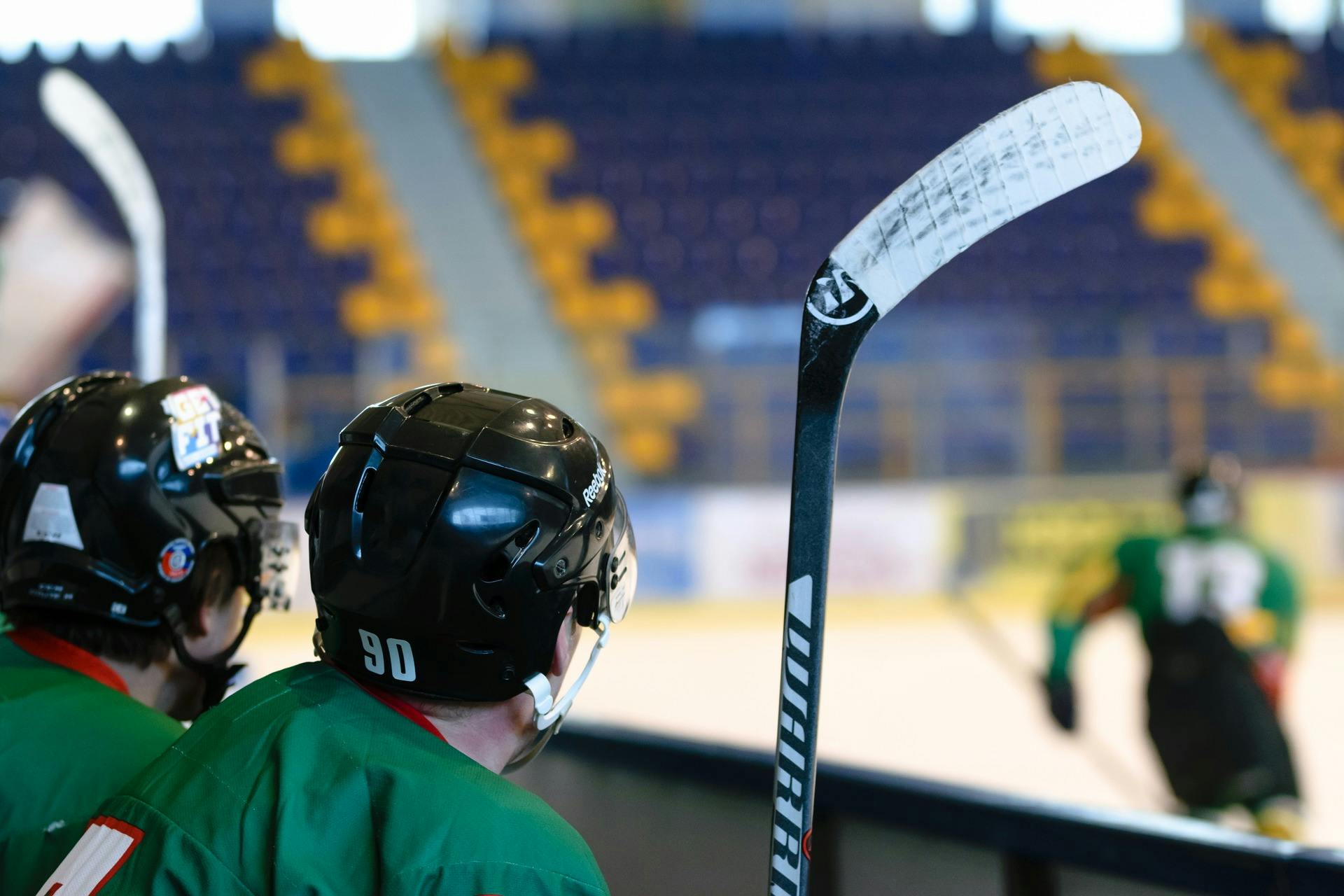
One factor to consider is the material of your new stick. Many players prefer the feel of a wood stick, but these are becoming harder to find. Modern sticks are primarily made with a composite of graphite or carbon fiber, while cheaper versions are typically made from fiberglass.
While a composite stick might offer better flex or superior handling, experienced players have noticed that they tend to break faster.
You can expect to pay around $60 for an inexpensive fiberglass stick. By comparison, more durable high-end models usually cost between $250 and $300.
Position of Play
Consider the position you play when shopping for a new hockey stick.
For example, slap shots put much more stress on the shaft as well as on the blade. As such, you’ll need a stronger stick that offers more flex if you play in a forward position.
Even if you play in a defender position, your style of play might affect your choice. You’ll need a more resilient stick if you tend to lean on your stick or use hacking shots to block.
Frequency of Play
You’ll also want to take stock of how frequently you hit the ice when looking for a new hockey stick. If you practice on a daily basis and play several games per week, you’ll likely need a high-end stick that can take more abuse. While it’s impossible to predict how long any stick will last, opting for a high-quality one may be worth the extra cost.
It can also be helpful to assess your skill level. If you’re unhappy with your performance, the quality of your stick might be a factor. Having a stick you can put your full faith in during play can give you the confidence to perform better.
Find Your Team Today!
Whether you decide to continue using your current hockey stick or upgrade to a newer model, it’s important to make sure you have plenty of opportunities to use it.
Shinny USA makes it easy for adult hockey players to hit the ice with like minded players. Regardless of your age, gender, skill level, or location in the greater Philadelphia area, you can sign up for Shinny USA today.
36 responses to “When Is It Time to Buy a New Hockey Stick?”
online order androxal generic how effective
online order androxal buy online usa
buy cheap rifaximin uk buy online
buying rifaximin cost insurance
ordering enclomiphene uk meds
ordering enclomiphene cheap canada
prix le moins cher pour générique kamagra sans ordonnance
kamagra american express canada
buy cheap flexeril cyclobenzaprine generic is good
buy flexeril cyclobenzaprine purchase from uk
canadian pharmacy dutasteride reviews
purchase dutasteride price canada
purchase gabapentin usa seller
buying gabapentin generic germany
buy cheap fildena generic in us
discount fildena cheap genuine
get itraconazole generic does it work
purchase itraconazole us overnight delivery
price avodart
cheapest buy avodart buy in australia
order 5 pills of staxyn
discount staxyn generic a canada
how to order xifaxan canada suppliers
hwat ise the price of xifaxan
nejlevnější generický kamagra
jsem žena, která má emfyzém s nízkým hemo atd. dr chce předepsat kamagra
cialis india price
cialis india price
tadalafil woman reddit
tadalafil woman reddit
cenforce 100 effects
cenforce 100 effects
sémaglutide injection
sémaglutide injection
semaglutide tabletten prijs
semaglutide tabletten prijs
rybelsus semaglutida 7mg para que serve
rybelsus semaglutida 7mg para que serve
what mg of topamax causes weight loss
what mg of topamax causes weight loss
semaglutid tirzepatid unterschied
semaglutid tirzepatid unterschied
sildenafil 100mg duration
sildenafil 100mg duration
doxycycline hyclate diarrhea
doxycycline hyclate diarrhea
toradol how quickly it works
toradol how quickly it works
ivermectin pharmacokinetics
ivermectin pharmacokinetics
minoxidil mechanism evidence‑based
minoxidil mechanism evidence‑based
sildenafil clinical safety limits
sildenafil clinical safety limits
PDE5 inhibitor cost comparison
PDE5 inhibitor cost comparison
vardenafil 5 mg dose summary
vardenafil 5 mg dose summary
vardenafil food interaction insights
vardenafil food interaction insights
amoxicillin reference guide
amoxicillin reference guide
augmentin drug profile
augmentin drug profile
amoxicillin antibiotic-associated diarrhea
amoxicillin antibiotic-associated diarrhea
Clinical PK Reference
Clinical PK Reference
Sildenafil vs Avanafil Onset Summary
Sildenafil vs Avanafil Onset Summary
learn about tadalafil brands
learn about tadalafil brands